


How Germans felt after World War 2
The end of World War II in Europe in May 1945 was a huge event in both world and personal history. The fall of Nazi Germany didn’t just end a war; it destroyed an entire political system, changed borders, and left millions of people physically and emotionally broken. To understand how Germans felt after World War II, we need to think about the different and sometimes conflicting feelings they had during this time of great change. Not all Germans felt the same way, and how they reacted depended on their age, where they lived, their political beliefs, and the loss of a loved one. how Germans felt after World War II
Still, history experts agree on a few common topics that make people angry: being stunned, losing hope, starving, disagreeing, blaming, feeling sad, being afraid, and maybe getting help out of the blue. This article goes into great detail about these events, helping us understand the human side of a country growing from tyranny, destruction, and defeat.
Shock and Doubt: The End of a Country
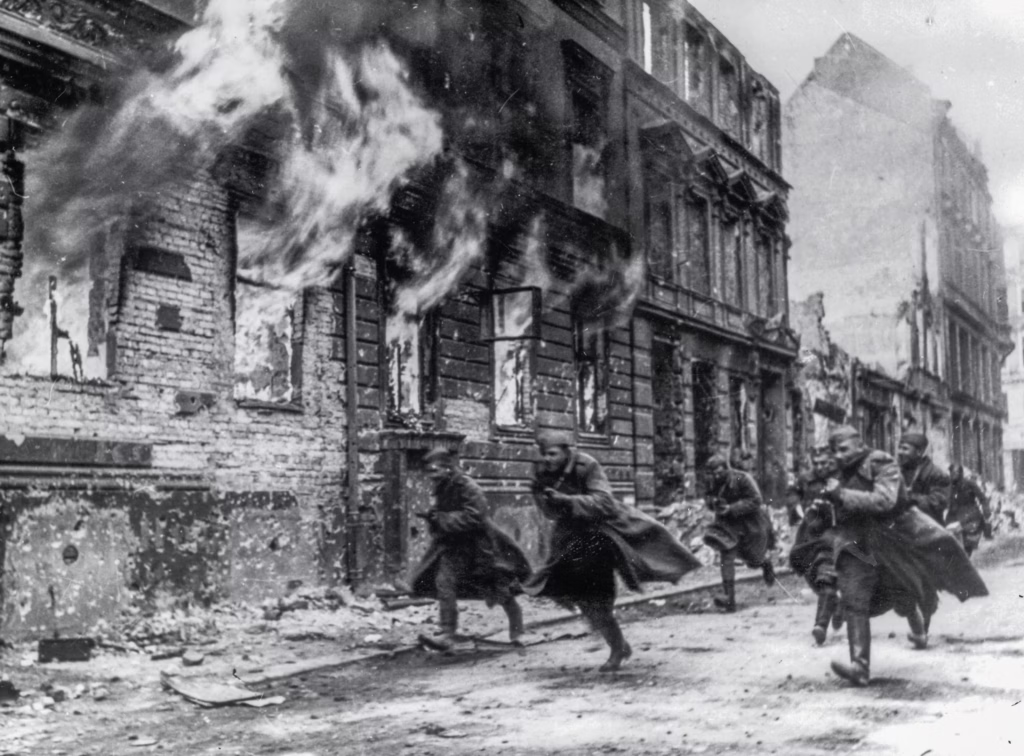
After the war, many Germans were shocked by how much destruction there was. There were no longer any neighbourhoods. Cities like Berlin, Dresden, Cologne, and Hamburg were turned into piles of rubble. Transportation frameworks didn’t work very well. There wasn’t much power or running water. how Germans felt after World War II
Why stun ruled the early postwar years:
Millions had accepted planned publicity that success was still possible.
Communications broke down, leaving people who didn’t know the full extent of their defeat behind.
The sudden disappearance of Nazi experts made people feel lost.
A lot of Germans had never thought about add up to yield or outside occupation.
Hunger and Fear of Death
One of the first things people worried about after the war was not having enough food. In many cities, the number of calories people ate every day dropped to levels that were almost starving, sometimes below 1,000 calories. The winter of 1946–47 became known as the “Hunger Winter.”
Some common interactions were:
Long lines for bread and other basic needs
Trading clothes or other things for potatoes and butter
Looking for kindling in the rubble
Depending on food aid from around the world
Kids were especially weak. A lot of people were sick, hungry, and had weak immune systems. The struggle to find food shaped a lot of how Germans felt after World War II: stressed, desperate, and focused on survival above all else. how Germans felt after World War II
Pain and Misfortune: A Nation in Grief
Germany lost millions of soldiers and civilians. Almost every family lost someone—a father, a child, a brother, or a friend who never came back.
Some types of sadness were:
Death of loved ones in battle
Death from bombings
Missing officers and civilians who have gone missing
Afraid for family members who are being held by the Soviets
Loss of homes, possessions, and communities
Grief was not individual but collective. People looking for names of the lost started gathering in churches and town squares. Many people found it harder to grieve because of the chaos that followed the end of the war and the fact that they couldn’t have normal funerals. how Germans felt after World War II
Fear and Uncertainty Under United Occupation
After the war, Germany was divided into four zones of occupation: American, British, French, and Soviet. This was scary and confusing for regular people.
Things that made people afraid were:
Rumours about how troopers might act if they had them
Uncertainty surrounding contemporary laws and regulations
The destruction of Nazi schools without clear replacements
Arresting former Party members
Huge changes for outcasts and people who have lost their homes
Fear was especially high in the Soviet zone. There were a lot of reports of harsh revenge, violence, and property seizures. Things changed in the Western zones, but the move to occupation specialist was still scary. how Germans felt after World War 2
For 12 long years, Germans had lived under fascism, and many were afraid of what the new government would require.
Refusal and Shirking: Standing up to Nazi Crimes

One of the most complicated ways to understand how Germans felt after World War II is how they reacted when they found out about Nazi crimes, especially the Holocaust. how Germans felt after World War II
Some common excited responses were:
Refusal (“We didn’t know”)
Disbelief (“It can’t be true”)
Defensiveness (“We were hurt too”)
Shock at photographic evidence came up by United troops
Anger at the government for putting the country in danger
Not all Germans acted the same way. Some people were very ashamed. Some people refused to accept the truth. Some people had been directly involved and were afraid of getting punished. It would take decades to come to terms with what the Nazis did wrong.
Blame, Shame, and Moral Reckoning
As the Partners found concentration camps and held the Nuremberg Trials, the truth about the genocide of Europe’s Jews and other groups became clear.
A lot of Germans went through:
Feeling bad about being part of or making money from the regime
Shame for not fighting back
Moral confusion about responsibility
Worrying about what other people think of you
But the answers changed a lot. Some people were very sorry, while others were not interested or were careful. The passionate scene was not the same for everyone, and many Germans struggled to deal with the information about the regime’s horrible actions. how Germans felt after World War II
For decades, this internal conflict shaped the national character.
The End of Fascism and Bombing
Even though things were hard, many Germans, especially women, children, and people who disagreed with the government, felt better that the war was over. how Germans felt after World War II
Some reasons for getting help were:
Bombing stopped
The Gestapo and SS no longer scared civilians.
The soldiers came home.
Fear every day went away
There were chances to make the changes fair. how Germans felt after World War II
Some Germans who had spoken out against the Nazi government quietly welcomed its end. Others were just happy to be alive. Even though help was overshadowed by injury, it was an important emotional part of the time right after the war. how Germans felt after World War II
Life on the Go
After the war, an estimated 12 to 14 million Germans were forced to leave their homes, many of them from former German territories in Eastern Europe. These people, who were called Heimatvertriebene (expellees), had to deal with huge problems.
They had a lot of fun meeting each other, including:
Loss of identity and home
Tired from long trips
Fear of violence during expulsions
Anger or pain when you get to crowded towns
Struggle to fit into communities that aren’t used
People who were expelled were not the only ones who were homeless. Many people who lived in cities lost their homes in bombings and had to live in cellars, ruins, or makeshift shelters. how Germans felt after World War II
Building a positive mindset in the middle of ruins
Even though everything was destroyed, signs of trust slowly appeared. Schools came back to life. Cities cleaned up the roads and got rid of trash. Organisations that help people gave out food. Law-based reforms were proposed by United specialists. how Germans felt after World War II
New feelings included:
Cautious hope
Wanting stability
Thankful for programs that help
Hope for getting back on track financially
The will to rebuild
Small things like planting gardens in bomb holes, opening up ads, and fixing bikes had to be signs of strength.
The Beginning of Democracy and a New Identity
By 1946 and 1947, Germans in the Western zones began to participate in local races, join political parties, and discuss protected ideas. This time period set the stage for the founding of the Government Republic of Germany (West Germany) in 1949.
These changes made feelings such as:
A careful feeling of political power
Curiosity about how majority rule works
Relief at the restoration of respectful rights
A growing belief in changing society to fit modern ideas
For many, this was a turning point from giving up to getting back on track.


